

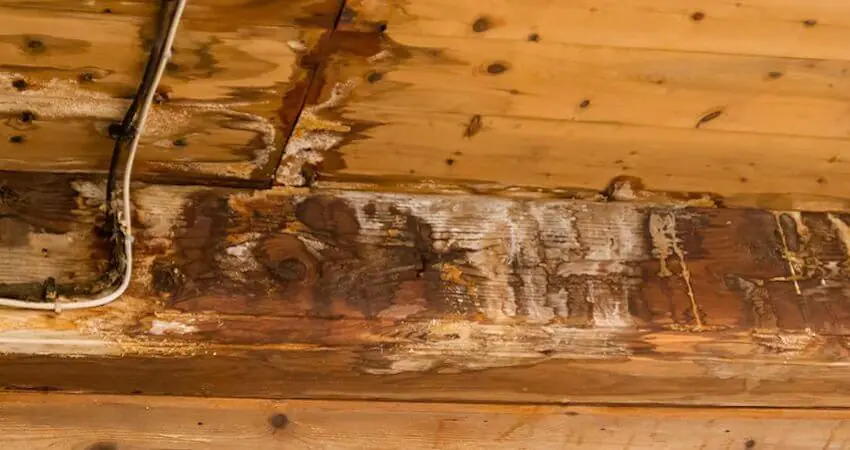
While water damage from a leaking roof may seem unavoidable, there are some things you can do to prevent it. First of all, you need to catch the water before it reaches your home. This is easy to do if you have a big bucket nearby to catch the falling water. You can also use a plastic barrier on the interior walls of your home to prevent moisture from accumulating. Water that seeps into a home can damage drywall and ceiling.
Another way to prevent water leaking from a roof is to keep the gutters clean. In winter, melting snow on the outside of the roof can form an ice dam. The ice dam will then freeze on the colder edges of the roof. This buildup will clog the gutters and cause icicles to form, which is potentially dangerous.
Next, find the source of the leak. Typically, a leak will start high on the roof and then flow downward. This makes it easy to identify the location of the leak. You should look at the lowest point of the bulge and poke a screwdriver into it. Depending on the size of the leak, you may need to make several punctures.
Lastly, check for damage to drywall and tiles. Leaks can also occur because of improper alignment of the tiles and drywall. If you are unsure of whether your roof has a leak, you should consider calling in a professional. After you have identified the source of the leak, you can then proceed with repairing it.
Ice dams are another common cause of water leaks. In winter, ice can build up on the edges of the roof, causing it to overflow into the attic. This problem can be avoided by keeping the roof’s edge clean and dry. A roof rake and proper attic insulation can also help prevent ice dams.
You can also hire a professional roofer to add extra insulation to your attic. Before you hire a professional, ensure you wear the appropriate personal protective equipment. Depending on the size of the roof, you may need to wear a safety harness. A long sleeve shirt and sunscreen are also essential. While on the roof, you should always wear sturdy shoes with rubber soles. It is also important to wear protective gear such as gloves and a hardhat.
When inspecting your roof for leaks, check for any cracks or broken nail heads. You should also inspect the roof vent housing to make sure that it is secure. Cracked vent boots and rotten rubber gaskets can allow water to seep into the house. If you find cracks or broken seams in the vent housing, you can replace them with washer-head roofing screws.
Most roof leaks are preventable, and a quick inspection of the roof can catch them early. You should also check for any shingle debris or off-colored patches on the roof. Once you’ve found these, you can contact a roofing contractor to fix the problem before the damage reaches the home.


